Study of radon reduction through the use of DUKA One in a detached house with a basement
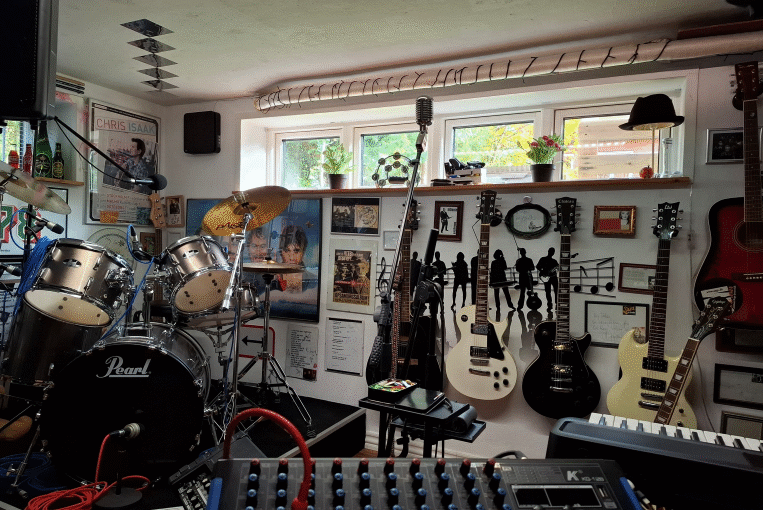
In a detached house with a basement in Silkeborg, Denmark, radon measurements were carried out. The basement was used for several living purposes, including an office, a TV and games room, and a guest room. Although the basement was not used as a permanent bedroom, residents regularly spent extended periods in the rooms above.
After several years of consideration, the homeowner opted to have a radon measurement carried out. The measurement was conducted over a period of two months and showed an average radon level of 800 Bq/m³. This level is significantly above the 100 Bq/m³ that Danish authorities recommend as the upper level for radon in indoor air.
The investigation
The aim of the study was to determine whether the installation of decentralised ventilation could help to reduce radon levels in the basement. The study was carried out by monitoring changes in radon concentration following the installation of two DUKA One and two Pro 50 ventilation units.
Solution selection
Before the installation, various options for reducing radon levels were considered. One of the initial measures was increased manual ventilation, particularly during periods when the family was at home. However, this solution proved difficult to maintain in practice, partly due to the cold and increased heating consumption during the autumn.
Against this background, a more permanent solution was sought. In consultation with DUKA and drawing on knowledge of existing ventilation products, the DUKA One Pro 50 was assessed as a possible solution. The solution was chosen, among other things, because it could be installed without major disruption to the entire property, and because it could simultaneously ensure continuous air exchange in the basement.

Installation and measurement method
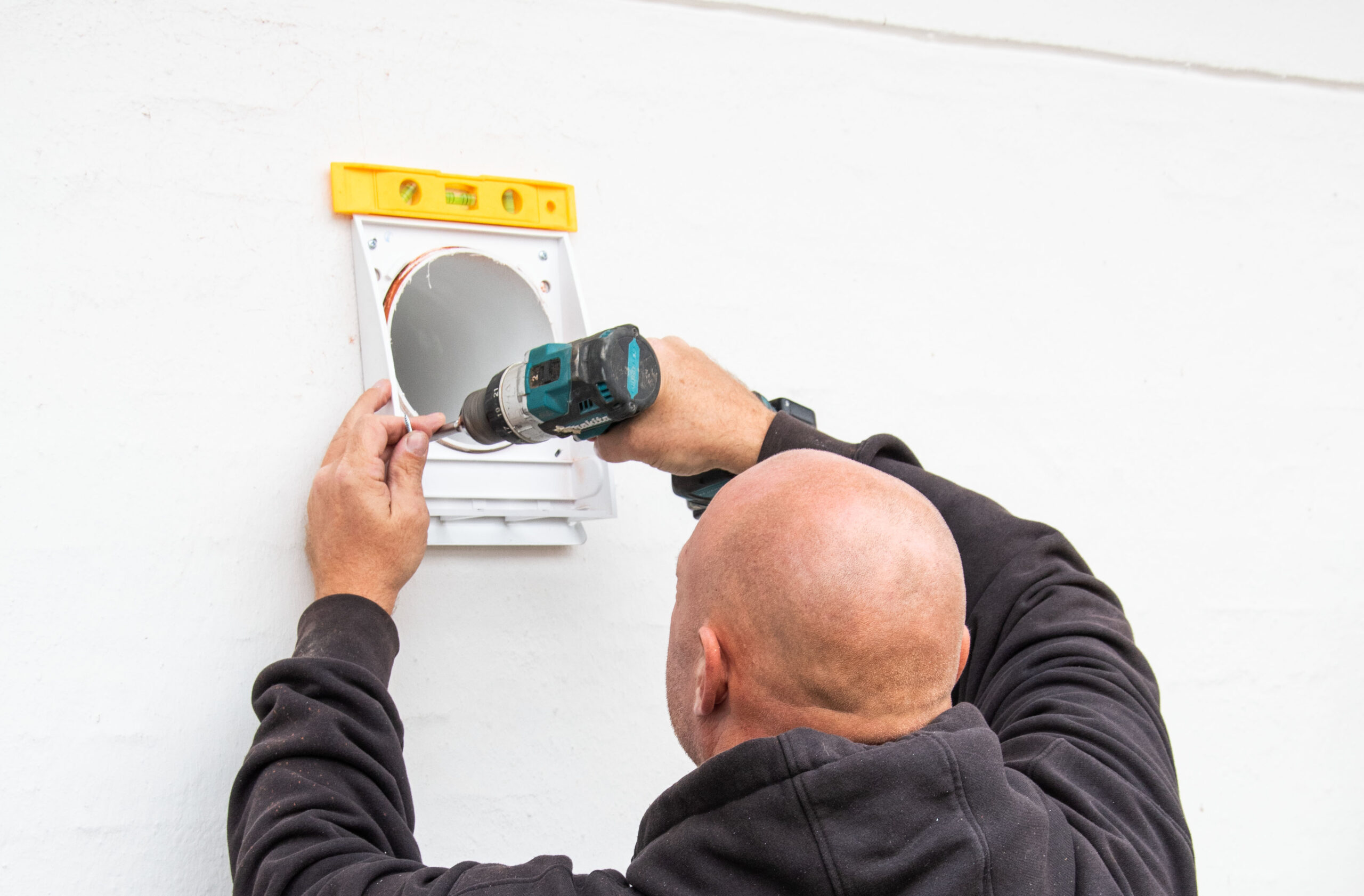
Two DUKA One ventilation units were installed in the basement. The installation was carried out by a local electrical contractor. As part of the project, the OBH Group, a consulting engineering firm with expertise in indoor climate, was involved in the measurement process.
Following installation, the radon level was measured with three digital radon meters placed in different locations in the basement. The measurements were initiated on the same day as the installation and continued throughout the winter. The preliminary results were used to assess the development of radon concentration at different ventilation levels.
Results
The initial measurements showed a significant drop in radon levels following the installation of the ventilation units. As early as the day after installation, a reduction of 81 % was recorded whilst the units were operating at ventilation level 1.
In the subsequent period, the radon level was measured at three different speed settings:
Radon meters | Reduction of Radon Level at Speed Stage 1 | Reduction of Radon Level Speed Step 2 | Reduction of Radon Level on Speed Step 3 |
Measure 1 | 80,3% | 87,3% | 90,3% |
Measurement 2 | 74,9% | 88,2% | 91,3% |
Measure 3 | 73,9% | 87,9% | 92,5% |
Average reduction of Radon level | 76,4% | 87,8% | 91,4% |
At ventilation level 1, an average reduction of 76.4 % was recorded over six days. At ventilation level 2, which was used for seven days, the average reduction was 87.8 %. At ventilation level 3, which was used for six days, the average reduction was 91.4 %.
The results indicate that the measured radon level in the basement fell significantly after the installation of the ventilation units. Furthermore, a correlation was observed between a higher ventilation level and a greater average reduction in the radon level.
Supplementary observations
In addition to the measured reductions in radon levels, residents experienced an improvement in air quality in the basement. According to the homeowner, the air in the living spaces felt fresher, even when the doors had been closed for extended periods.
This observation is subjective and should be seen as a supplement to the measured raw data.
Assessment
Preliminary measurements show that the installation of two DUKA One ventilation units in this particular basement was associated with a significant reduction in radon levels. The average reduction ranged from 76.4 % to 91.4 %, depending on the ventilation level.
It should be noted, however, that the study is based on one specific property and a limited measurement period. The results can therefore not be directly generalised to all buildings with elevated radon levels. The effect of ventilation can depend on several factors, including the building's construction, soil conditions, leaks in the foundation, air exchange rate, location of ventilation units, and usage patterns.
Further measurements over a longer period and in more types of housing will be able to provide a more nuanced picture of in which situations decentralised ventilation can be a relevant method for reducing radon in the indoor environment.


Radon. A brief overview
Radon is a naturally occurring radioactive gas that is formed underground. The gas can penetrate buildings through cracks and leaks in foundations, floor constructions, and cellar walls. As radon can neither be seen, smelled, nor tasted, elevated levels can only be detected through measurement.
The highest radon concentrations typically occur in basements and ground floors, as these parts of the building are closest to the ground. According to nationwide surveys, a significant number of Danish homes are estimated to have radon levels above the authorities' recommended limit.
Danish authorities recommend that the radon content in indoor environments does not exceed 100 Bq/m³. For new construction, the building regulations require that this level is not exceeded. For existing buildings, it is a recommendation.
Radon is associated with an increased risk of lung cancer, particularly with prolonged exposure. The risk is significantly higher for smokers than for never-smokers. According to the World Health Organisation (WHO), radon is the second-largest contributing cause of lung cancer after active smoking.
Sources: Danish Health Authority and Danish Technological Institute
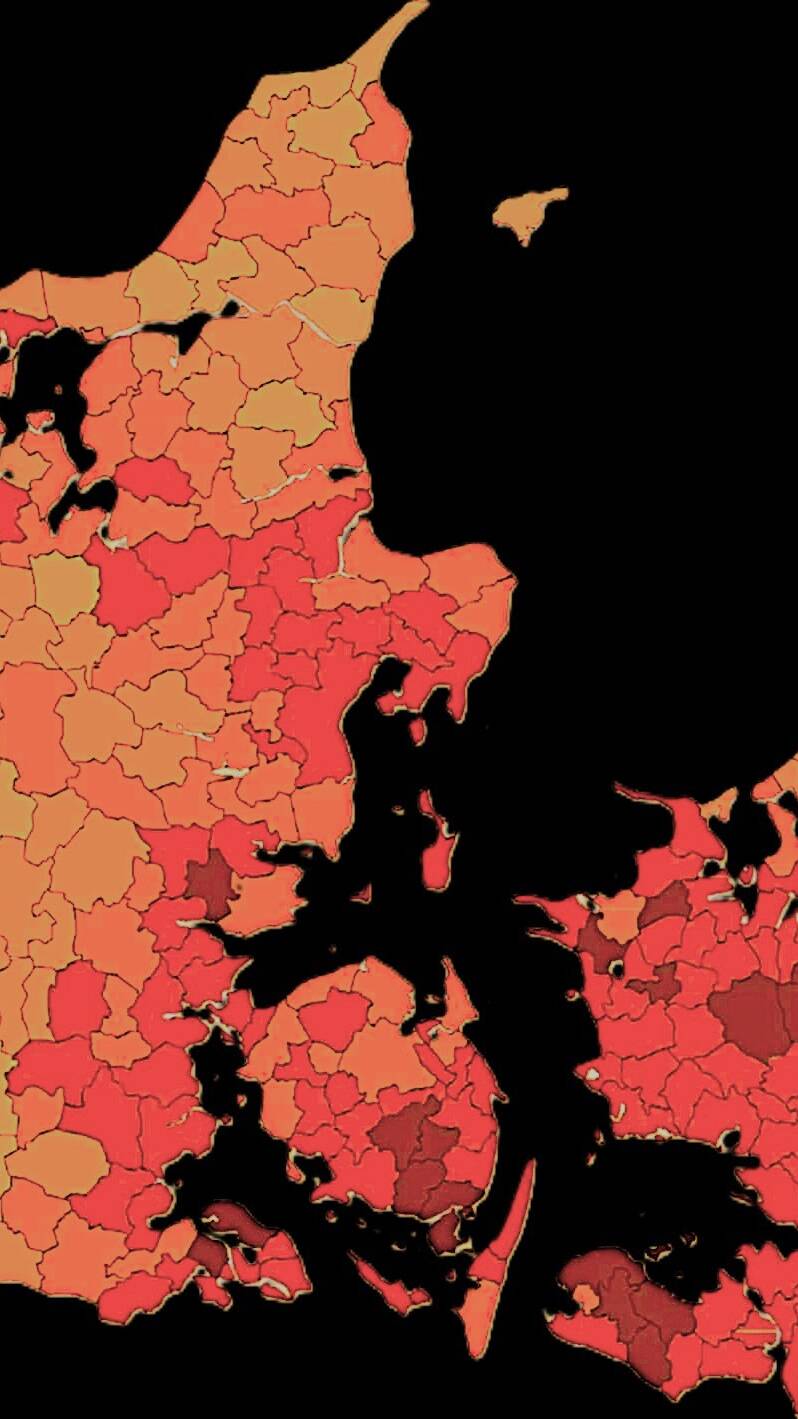
Do you live in an area with high radon levels? Check the map here: DinGeo Radon Map
About DUKA One
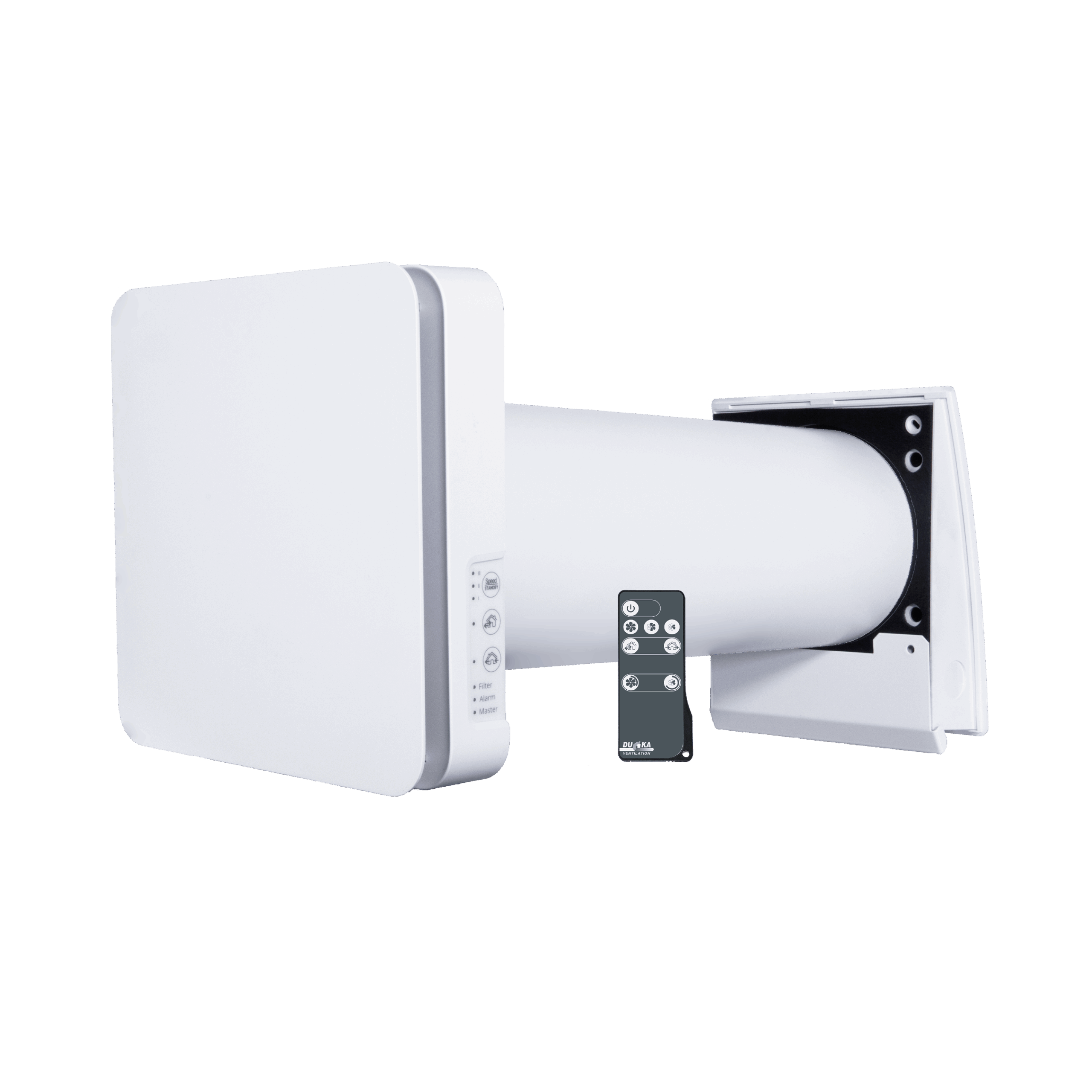
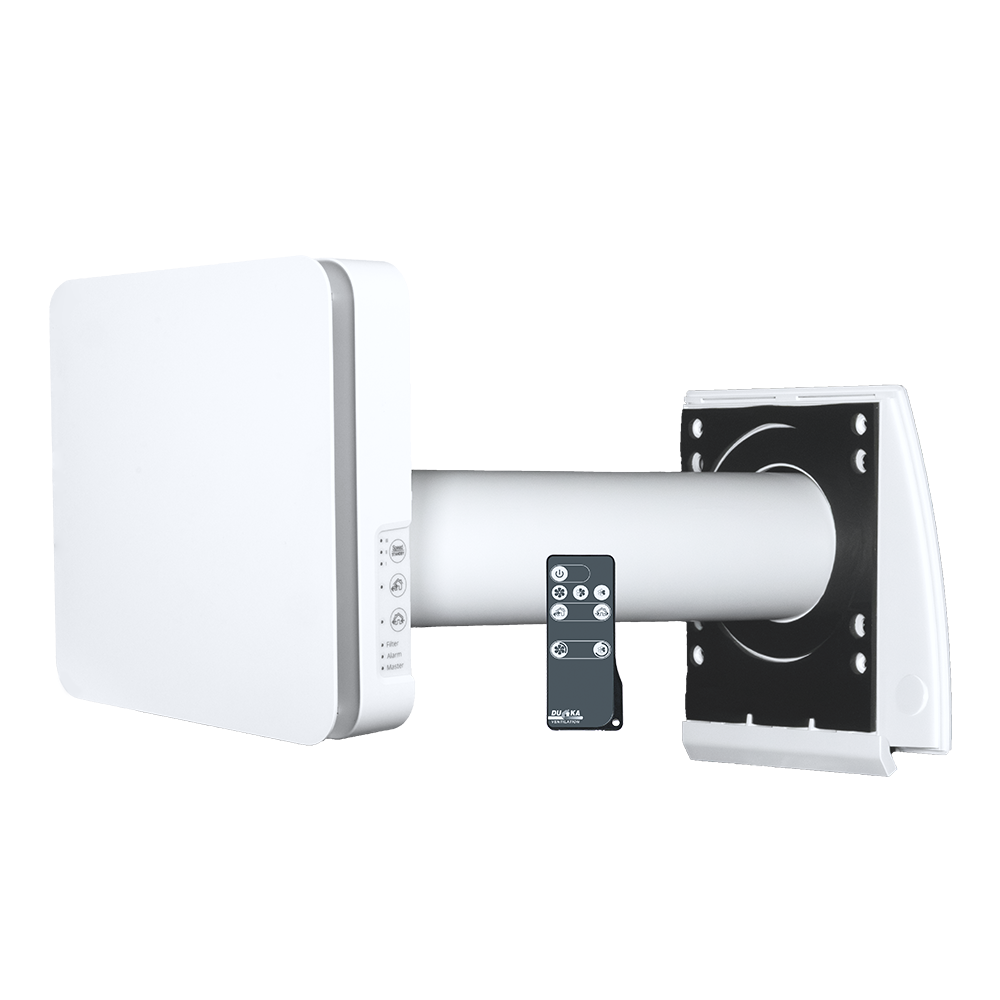
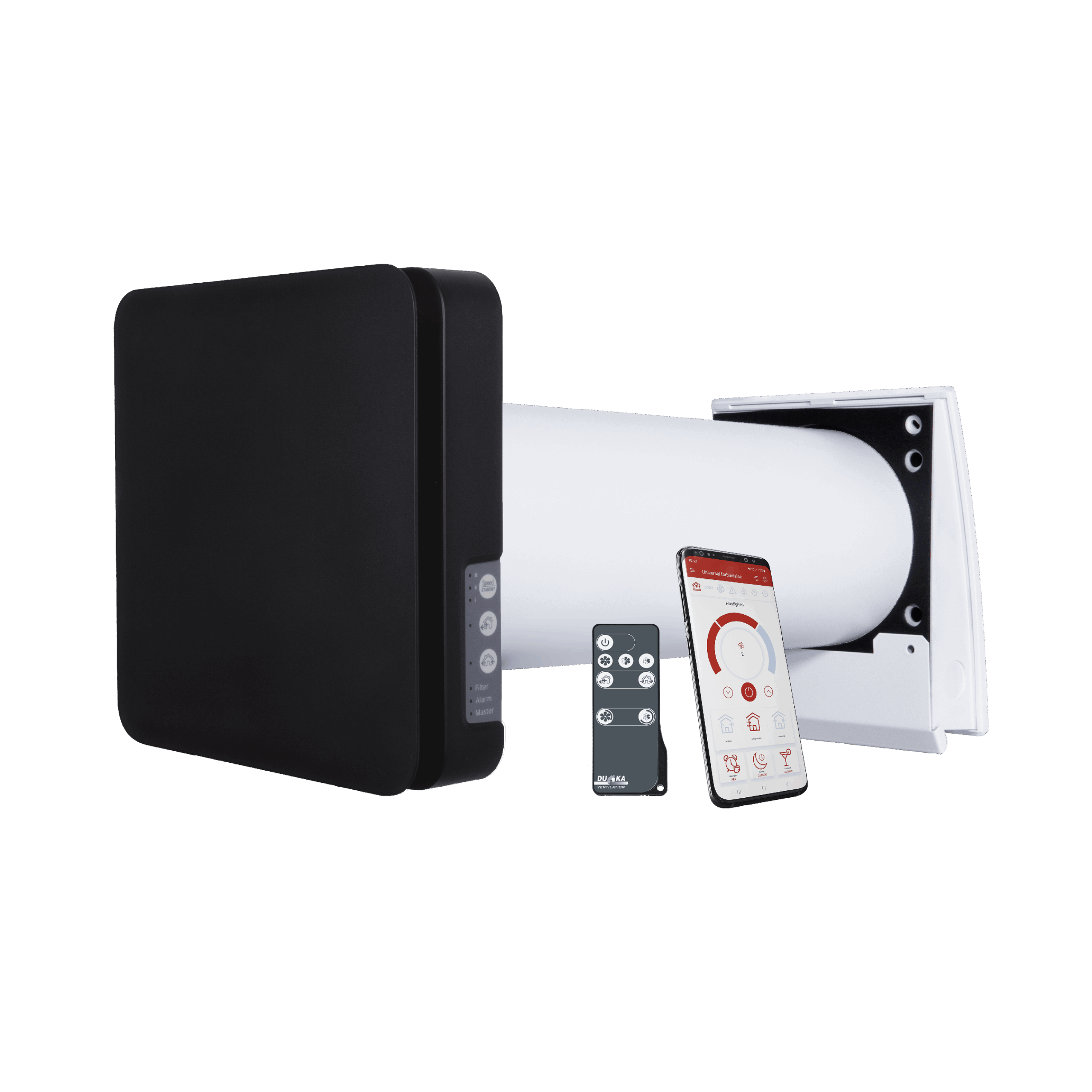
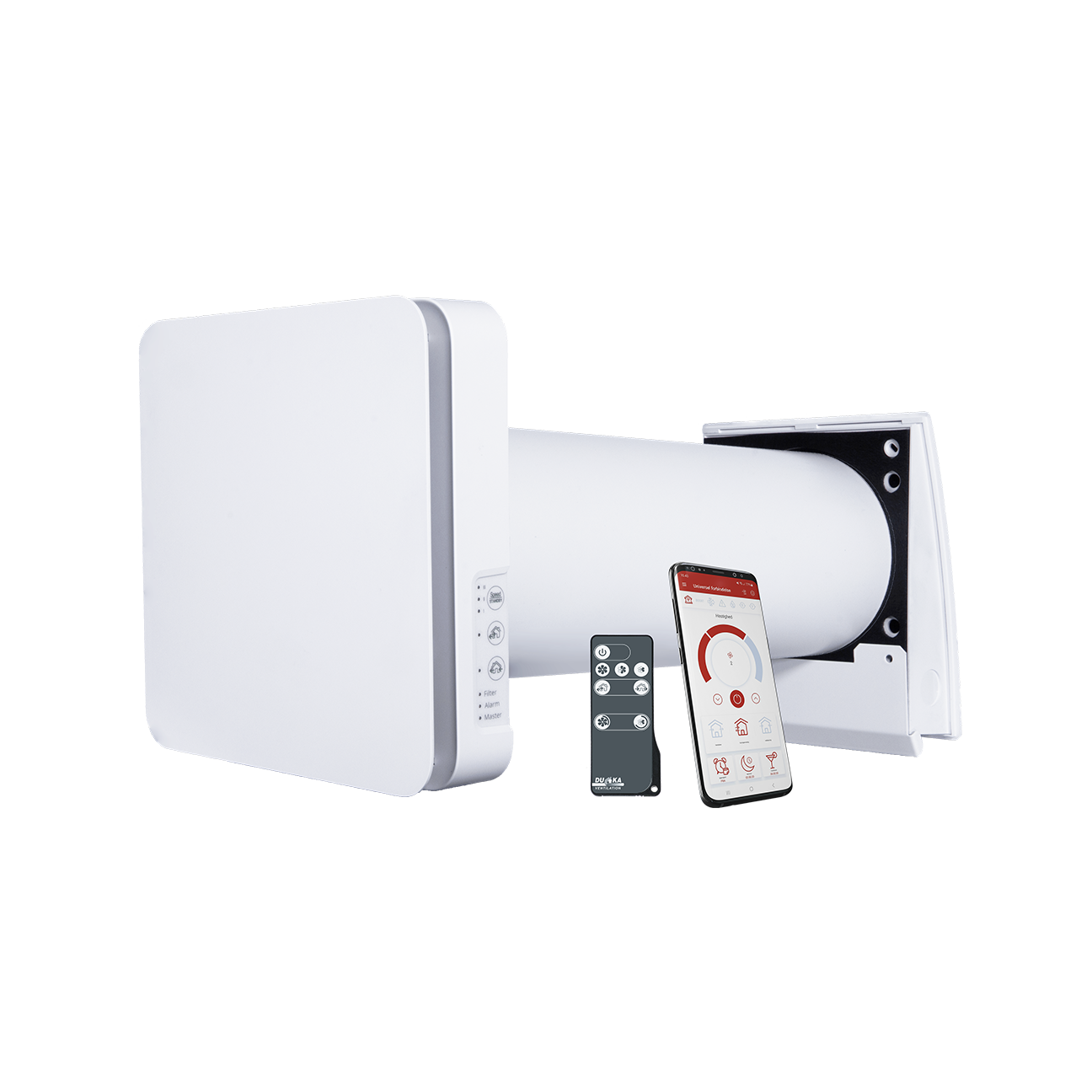
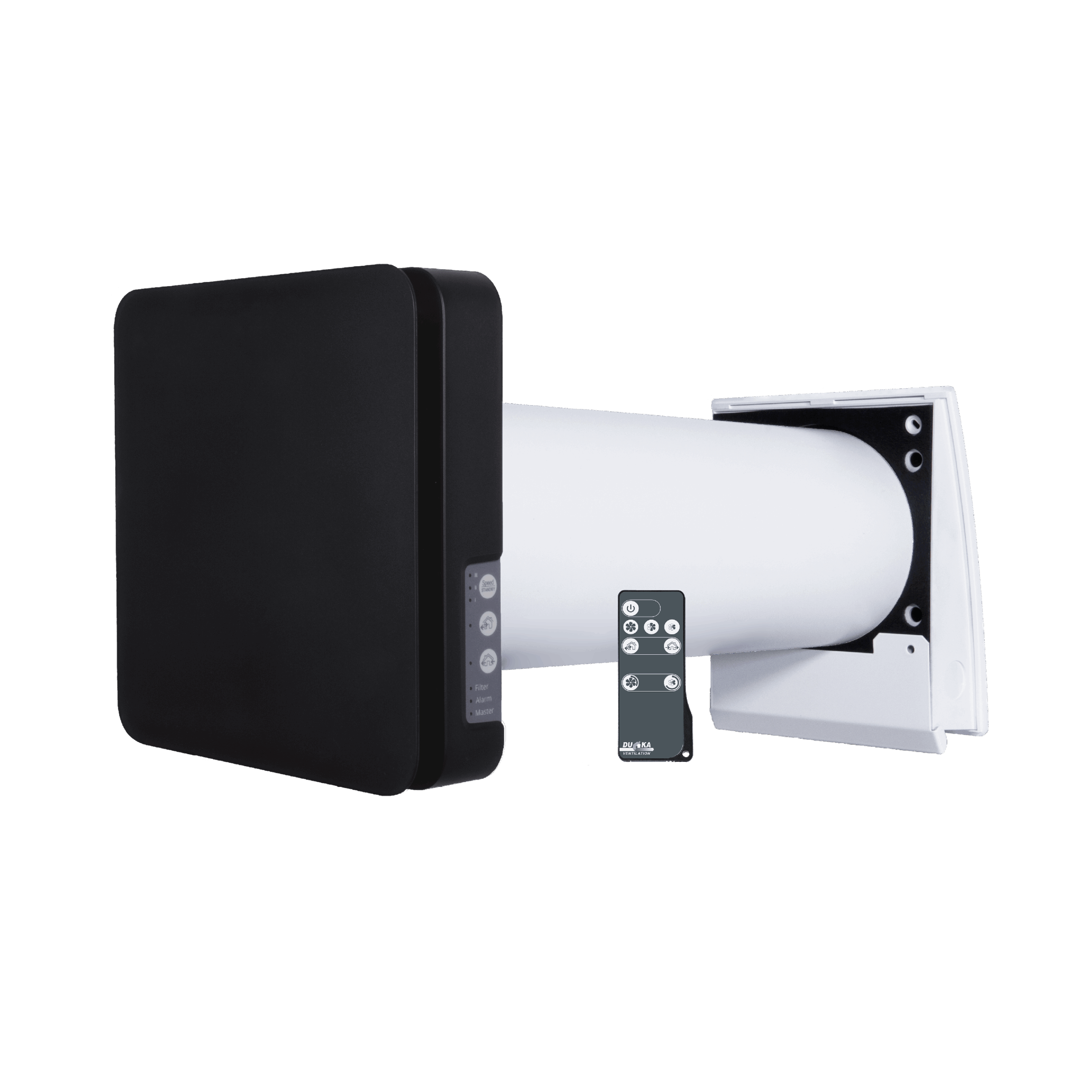
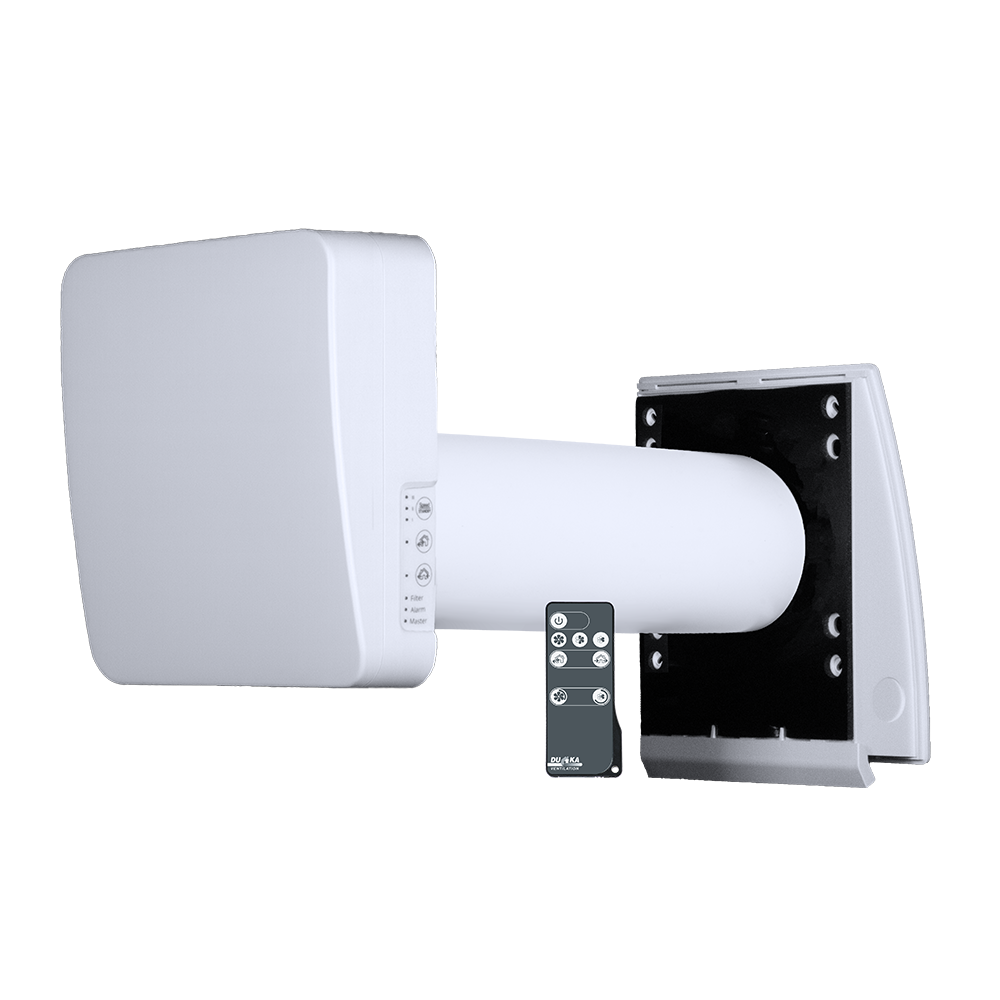
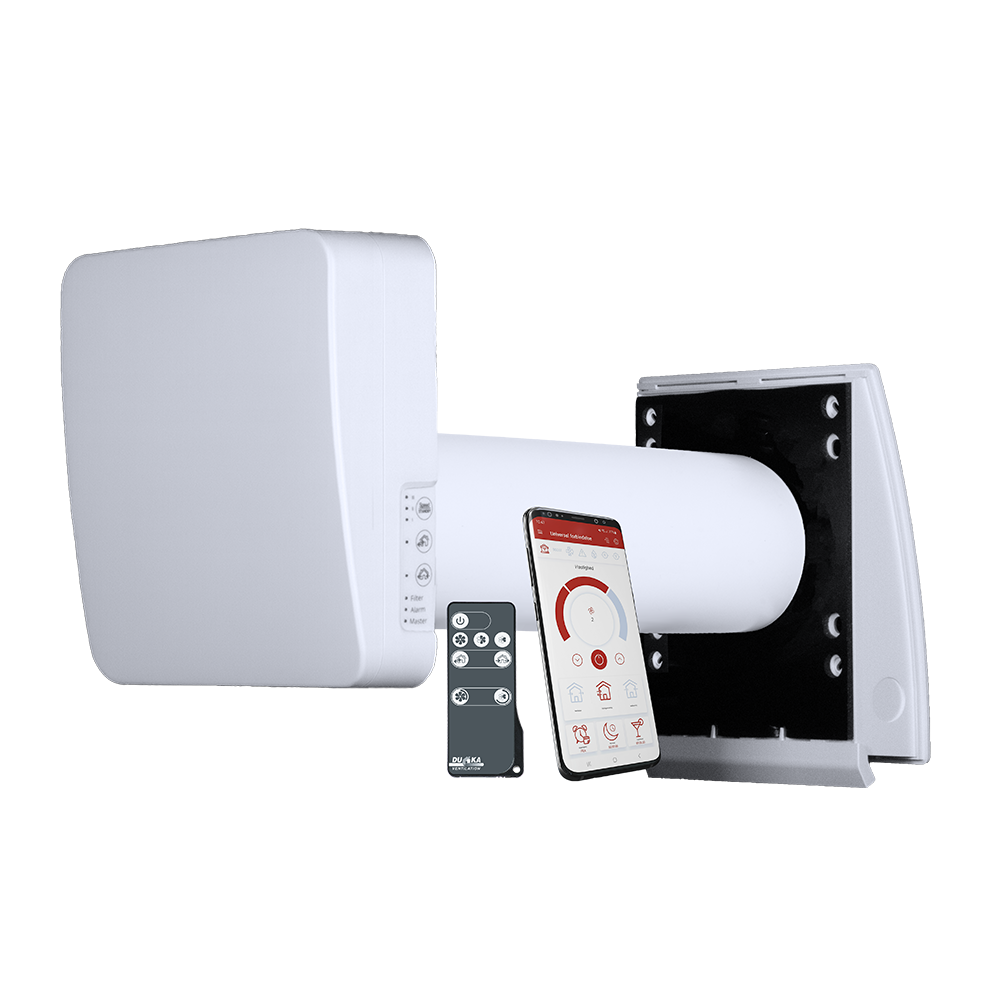
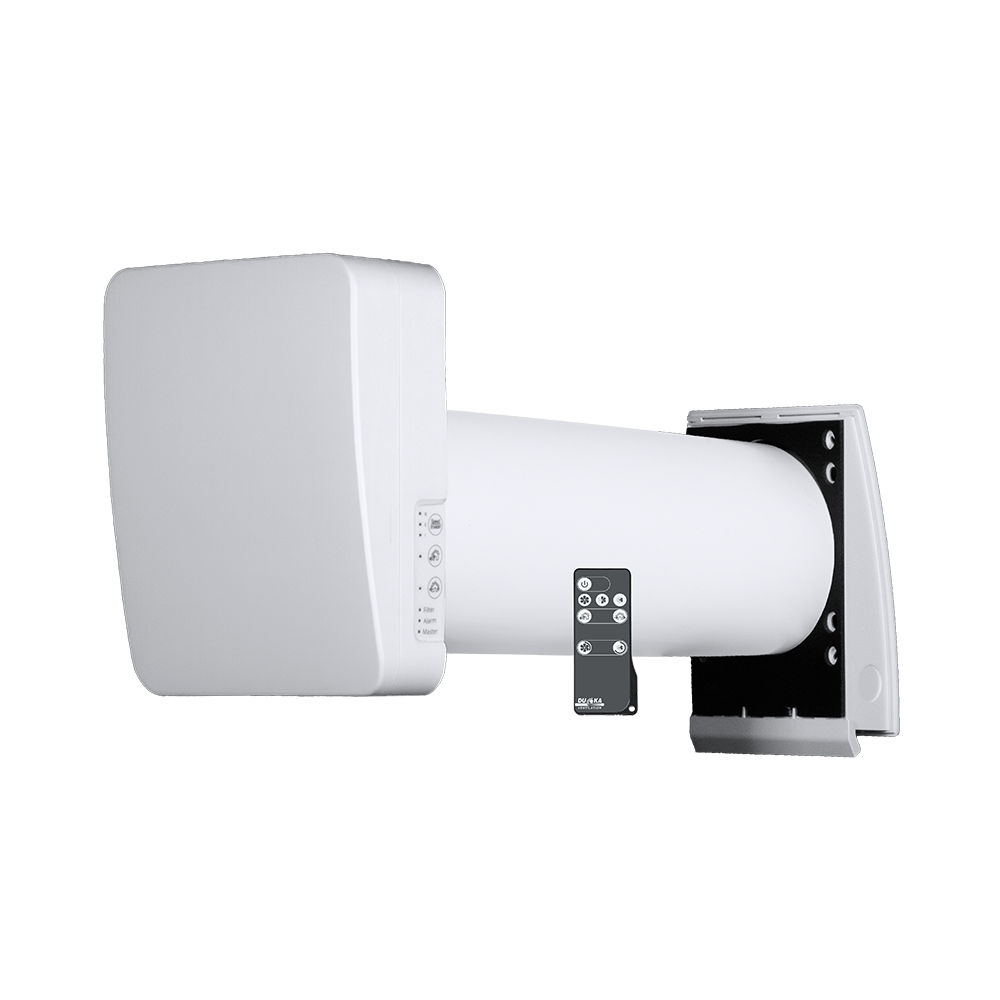
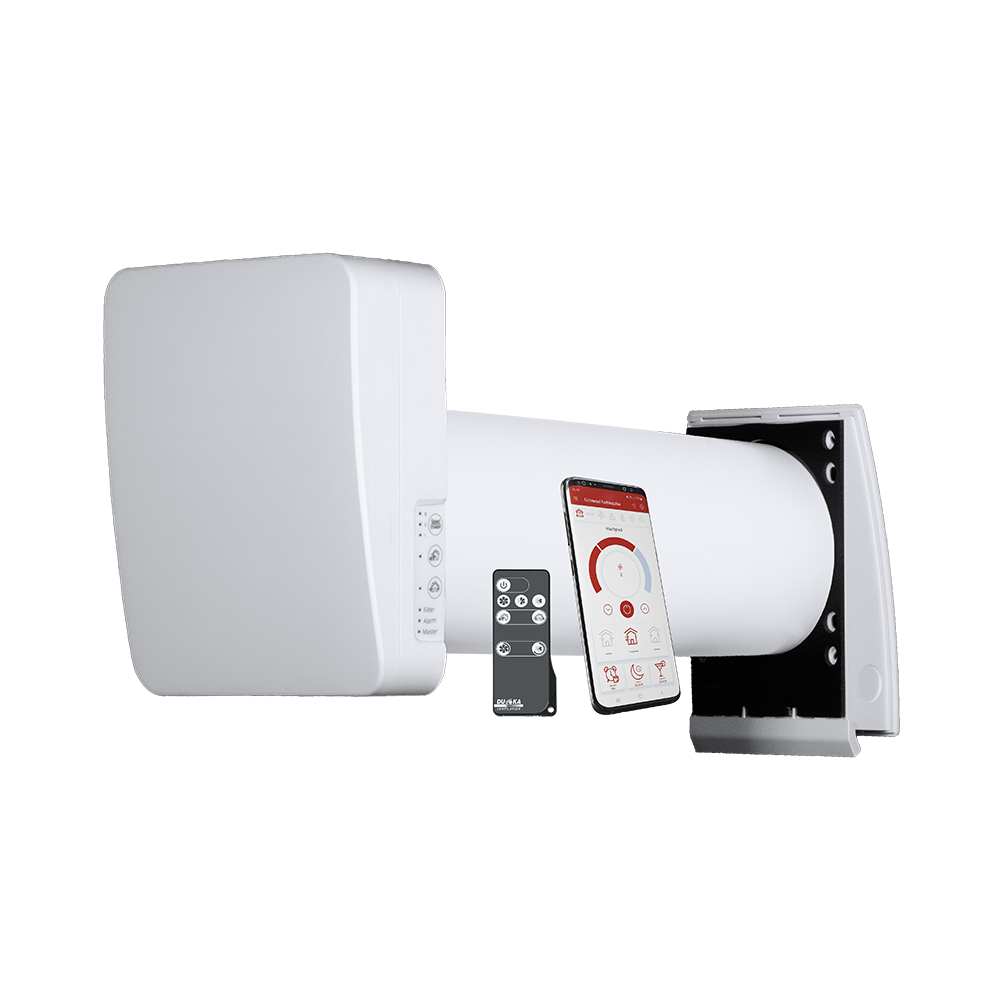
DUKA One is a decentralised single-room ventilation solution with heat recovery. The unit works by alternately extracting stale indoor air and supplying fresh outdoor air. During this process, some of the heat from the extracted air is transferred to the supply air via a ceramic heat exchanger.
The solution does not require a traditional duct system throughout the home and can therefore be installed locally in the rooms where ventilation is desired. In this study, the solution was used as a possible measure to reduce radon levels in a basement with elevated readings.
Conclusion
In the property under investigation, a significant reduction in radon levels was recorded following the installation of two DUKA One ventilation units. Preliminary measurements showed average reductions of between 76.4% and 91.4%, depending on the ventilation level.
The results indicate that decentralised ventilation had a positive effect on radon levels in the basement in this case. At the same time, the conclusion should be considered case-specific, as the effect can vary from one home to another. In cases of elevated radon levels, it is always recommended to have specific measurements taken and to assess possible solutions based on the building's conditions.

Watch DUKA One here
Ventilation with heat recovery